Facebook, WhatsApp and WeChat in international B2B sales
Social media and messaging apps are where most daily conversations with buyers happen. How to use them professionally, make the most of communities and avoid the risks.
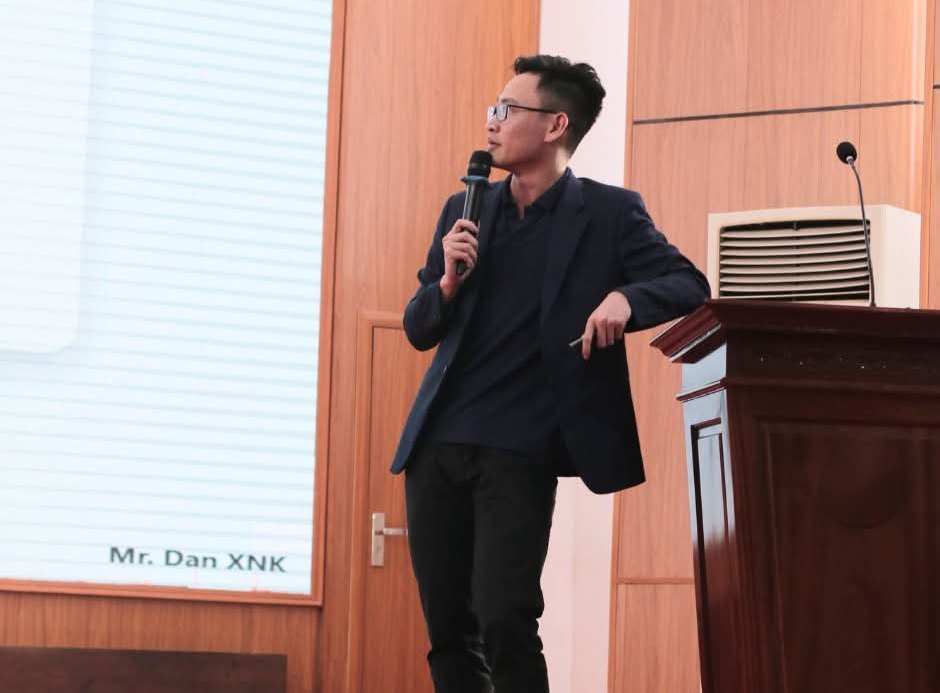
Mr. Dan10+ years of export experience
Email is still used for formal documents, but most day-to-day exchanges with international buyers happen on messaging apps. Each market has its own habits.
Apps by market
- WhatsApp: popular in the Middle East, India, Africa, Latin America and many European and Asian countries.
- WeChat: the main channel with Chinese buyers.
- LINE: popular in Japan, Thailand and Taiwan.
- KakaoTalk: popular in Korea.
- Zalo: popular with Vietnamese partners and the Vietnamese diaspora.
Using them professionally
- Use a business account (for example WhatsApp Business) with your company name, logo, description and product catalogue.
- Reply appropriately, and avoid long voice messages with buyers you don't know well.
- Every important agreement, such as price, specifications or delivery time, must be confirmed by email or in writing.
- Keep your chat history and back it up regularly.
Communities
- Facebook and LinkedIn groups on import-export and specific industries are places to share experience, market information and scam warnings, and sometimes to meet buyers. One example is our own Vietnam Export Sales Community group.
- Contribute real knowledge instead of just posting ads, and your reputation will follow naturally.
Pages and content
A business page with product, factory and video content lets buyers check you out quickly. Content should be in English if you're targeting international buyers.
Risks
- Fraudsters love messaging apps because identities are hard to verify. Don't transfer money or ship goods based only on messages.
- Be careful when a buyer suddenly changes phone number or account.
- Don't send internal documents or important papers by message to unverified people.